Fimavyn Ingredients — Full Plant-Based Compound Profiles
Detailed biochemical profiles for all 10 Fimavyn ingredients across three metabolic pathways. Each compound profile includes dose, primary mechanism, integration within the Fimavyn formula and links to PubMed, NIH ODS and NIH NCCIH research citations. Explore the complete formula science and verified user results.
10 Fimavyn Compounds — Each a Distinct Mechanism
No two Fimavyn ingredients share the same primary metabolic mechanism. Within Pathway 1 alone, Berberine activates AMPK kinase, Alpha Lipoic Acid scavenges mitochondrial free radicals, Resveratrol activates SIRT1 deacetylase and Zinc provides enzymatic cofactor support — four distinct intracellular roles that are genuinely additive rather than redundant.
The same principle applies across all three pathways. The proprietary botanical blend adds four additional non-redundant mechanisms: Milk Thistle silymarin for hepatic protection, Cayenne capsaicin for TRPV1 thermogenesis, Asian Ginseng ginsenosides for AMPK-parallel glucose uptake, and Banaba Leaf corosolic acid for insulin-independent GLUT4 activation. Full science at the Fimavyn Science page. NIH ODS index: ods.od.nih.gov.
Primary mechanism: Berberine is a plant alkaloid from Berberis vulgaris with a comprehensive AMPK activation profile. AMPK (AMP-activated protein kinase) is the cellular energy master switch — activated when the AMP:ATP ratio rises (energy depleted). Berberine activates AMPK through two pathways: direct activation via AMP mimicry, and indirect activation through mitochondrial complex I inhibition increasing AMP. Activated AMPK increases GLUT4 glucose uptake, stimulates fatty acid beta-oxidation, inhibits mTOR-dependent lipogenesis, and promotes mitochondrial biogenesis through PGC-1alpha. Berberine's AMPK mechanism shares its primary pathway with metformin — which is why users on glucose medications must consult a physician. Fimavyn's 100mg Berberine is part of a multi-ingredient formula, not a standalone therapeutic dose.
↗ PubMed Berberine AMPKPrimary mechanism: Alpha Lipoic Acid (ALA) is the only antioxidant that is both water-soluble and fat-soluble — enabling it to function inside mitochondrial membranes (fat-soluble environment) and in the cytoplasm (water-soluble environment) simultaneously. ALA directly scavenges reactive oxygen species including superoxide, hydrogen peroxide and hydroxyl radicals. Critically, ALA regenerates reduced forms of glutathione, vitamin C and vitamin E — amplifying Fimavyn's total antioxidant defense capacity beyond ALA's own direct scavenging activity. ALA also acts as a cofactor for pyruvate dehydrogenase and alpha-ketoglutarate dehydrogenase — two mitochondrial complexes in the citric acid cycle critical for ATP yield per glucose molecule.
↗ PubMed Alpha Lipoic AcidPrimary mechanism: Trans-Resveratrol is a stilbene polyphenol from Polygonum cuspidatum (Japanese knotweed) and grape skins. It directly activates SIRT1 (sirtuin 1) deacetylase — an NAD+-dependent enzyme that deacetylates and activates PGC-1alpha, the master transcription factor for mitochondrial biogenesis and fatty acid oxidation gene expression. SIRT1 activation also deacetylates FOXO1 transcription factors, promoting antioxidant defense gene expression including SOD2 (mitochondrial superoxide dismutase). Fimavyn uses a 200:1 extract confirmed on the official label — concentrating trans-resveratrol to maximize SIRT1-activating polyphenol density at the 40mg stated dose.
↗ PubMed Resveratrol SIRT1Primary mechanism: Zinc is an essential mineral cofactor for over 300 metalloenzymes spanning all metabolic categories. In the context of Fimavyn's metabolic activation design, Zinc is critical for: insulin synthesis and secretion from pancreatic beta cells (Zinc is part of the hexameric insulin crystal structure), thyroid hormone T3/T4 conversion (deiodinase enzymes are zinc-dependent), antioxidant superoxide dismutase (Cu/Zn-SOD) activity, and alcohol dehydrogenase activity in hepatic metabolism. At 11mg per serving, Fimavyn provides a meaningful metabolic cofactor dose aligned with the NIH ODS Recommended Dietary Allowance for adult men.
↗ NIH ODS ZincPrimary mechanism — COMT inhibition: Green Tea Extract standardized to EGCG (epigallocatechin gallate) inhibits catechol-O-methyltransferase (COMT) — the enzyme that methylates and deactivates catecholamines (primarily norepinephrine) in sympathetic nerve terminals and peripheral tissues. By slowing NE deactivation, EGCG extends its activity at beta-adrenergic receptors in adipose tissue, increasing lipolysis and brown adipose thermogenesis beyond what the sympathetic nervous system's baseline NE output would produce alone. EGCG also independently inhibits mitochondrial NADH oxidase, producing uncoupled cellular respiration and heat generation. Multiple published RCTs confirm statistically significant 24-hour energy expenditure increases with standardized EGCG supplementation. NIH NCCIH reviews green tea at nccih.nih.gov.
↗ PubMed EGCG ThermogenesisPrimary mechanism — TRPV1 thermogenesis: Capsaicin from Capsicum annuum activates TRPV1 (transient receptor potential vanilloid 1) channels in sensory neurons and gastrointestinal tissue. TRPV1 activation triggers substance P release and sympathoadrenal axis stimulation — producing transient catecholamine (epinephrine + norepinephrine) secretion. These catecholamines activate beta-3-adrenergic receptors specifically expressed on brown adipose tissue (BAT), activating UCP1 (uncoupling protein 1) — the mitochondrial proton channel that dissipates the electrochemical gradient as heat rather than ATP. This is genuine caloric thermogenesis: real heat production from fat stores via brown adipose uncoupling. Capsaicin does not act on adenosine receptors — its thermogenesis is non-stimulant by pharmacological classification. The official Fimavyn label confirms Capsicum annuum in the botanical blend.
↗ PubMed Capsaicin UCP1Primary mechanism: Chromium Picolinate is the most bioavailable chromium form — picolinic acid chelation protects chromium from gastric precipitation and increases intestinal absorption. Once absorbed, chromium binds apochromodulin to form chromodulin (LMWCr), which directly amplifies insulin receptor tyrosine kinase activity. This amplification increases the downstream phosphorylation cascade that recruits GLUT4 glucose transporter vesicles from intracellular stores to the cell membrane — the critical step enabling cellular glucose uptake. As the only individually quantified mineral (100mcg / not in the proprietary blend) in Fimavyn's Supplement Facts, Chromium anchors the formula's glucose sensitivity tier. NIH ODS: Chromium fact sheet.
↗ PubMed ChromiumPrimary mechanism: Banaba (Lagerstroemia speciosa) leaf extract's primary bioactive compound is corosolic acid — a triterpenoid that activates GLUT4 glucose transporters through a mechanism independent of insulin receptor signaling. This is significant: corosolic acid supports glucose clearance even under conditions where insulin receptor sensitivity is partially impaired — an insulin-independent GLUT4 pathway that complements Chromium's insulin receptor amplification rather than duplicating it. Banaba extract has documented human clinical trial data showing post-meal glucose moderation and fasting glucose improvement. PubMed Banaba.
↗ PubMed Banaba LeafPrimary mechanism: Panax ginseng ginsenosides Rb1, Re and Rg1 produce glucose metabolism effects through three distinct pathways: (1) AMPK activation in skeletal muscle via a distinct ginsenoside receptor-binding route that is parallel to but different from Berberine's AMPK activation — enabling additive AMPK stimulation; (2) eNOS (endothelial nitric oxide synthase) stimulation for vascular NO production, supporting efficient glucose delivery to peripheral insulin-sensitive tissues; (3) adaptogenic HPA-axis modulation reducing cortisol — cortisol promotes hepatic gluconeogenesis and peripheral insulin resistance, so its reduction supports the formula's glucose sensitivity pathway. NIH NCCIH: Asian Ginseng review.
↗ PubMed Ginseng AMPKPrimary mechanism: Milk Thistle (Silybum marianum) contains silymarin — a complex of flavonolignan compounds (silybin, silydianin, silychristin) that protect hepatocytes through three pathways: free radical scavenging at the hepatocyte membrane, membrane stabilization by binding to membrane receptor sites to block toxin entry, and stimulation of ribosomal RNA polymerase A to promote hepatocyte protein synthesis and regeneration. In Fimavyn's formula context, Milk Thistle protects the liver's metabolic processing capacity — critical because the liver is the primary site of Berberine metabolism, fatty acid oxidation product clearance, thyroid hormone conversion and the glycemic hormone regulation that all three Fimavyn pathways depend on. NIH NCCIH: Milk Thistle review.
↗ PubMed SilymarinWhy Hepatic Protection Belongs in a Metabolic Formula
The liver is the metabolic hub for every pathway in Fimavyn's formula. Berberine is primarily metabolized by hepatic CYP enzymes and undergoes significant first-pass metabolism — liver function directly affects Berberine's circulating bioavailability. Fat oxidation products from Pathway 2's thermogenic activation are cleared by hepatic beta-oxidation pathways. Chromium and Zinc metabolism both depend on hepatic processing. Thyroid hormone T4-to-T3 conversion (the active metabolic hormone) occurs primarily in the liver, regulated by deiodinases that require Zinc cofactors present in Fimavyn's formula.
A metabolic supplement that activates fat oxidation and thermogenesis without supporting the liver's capacity to process the resulting metabolic load is creating upstream activation without downstream clearance capacity. Milk Thistle silymarin addresses this — making it a logical hepatic protection compound rather than an afterthought botanical. Its inclusion in Fimavyn's proprietary blend reflects the formula's systems-level design approach. Research: NIH NCCIH Milk Thistle.
FIMAVYN INGREDIENTS — COMPLETE RESEARCH REFERENCES
- PubMed — Berberine: AMPK activation, glucose metabolism and mitochondrial biogenesis
- PubMed — Alpha Lipoic Acid: mitochondrial antioxidant, glutathione regeneration and ATP cofactor roles
- PubMed — Resveratrol: SIRT1/PGC-1alpha and mitochondrial biogenesis pathway
- NIH ODS — Zinc: enzymatic cofactor roles, insulin synthesis and metabolic function
- PubMed — Green Tea EGCG: COMT inhibition and thermogenesis RCT evidence
- PubMed — Cayenne capsaicin: TRPV1 and UCP1 brown adipose thermogenesis
- NIH ODS — Chromium Picolinate: chromodulin mechanism and insulin receptor signaling
- PubMed — Banaba Leaf corosolic acid: GLUT4 activation and glucose clearance
- NIH NCCIH — Asian Ginseng: ginsenoside AMPK, eNOS and metabolic evidence
- NIH NCCIH — Milk Thistle: silymarin hepatoprotective mechanism and evidence
- NIH ODS — Dietary supplement research index: comprehensive fact sheets for all nutrient categories
Fimavyn Ingredients — Common Questions
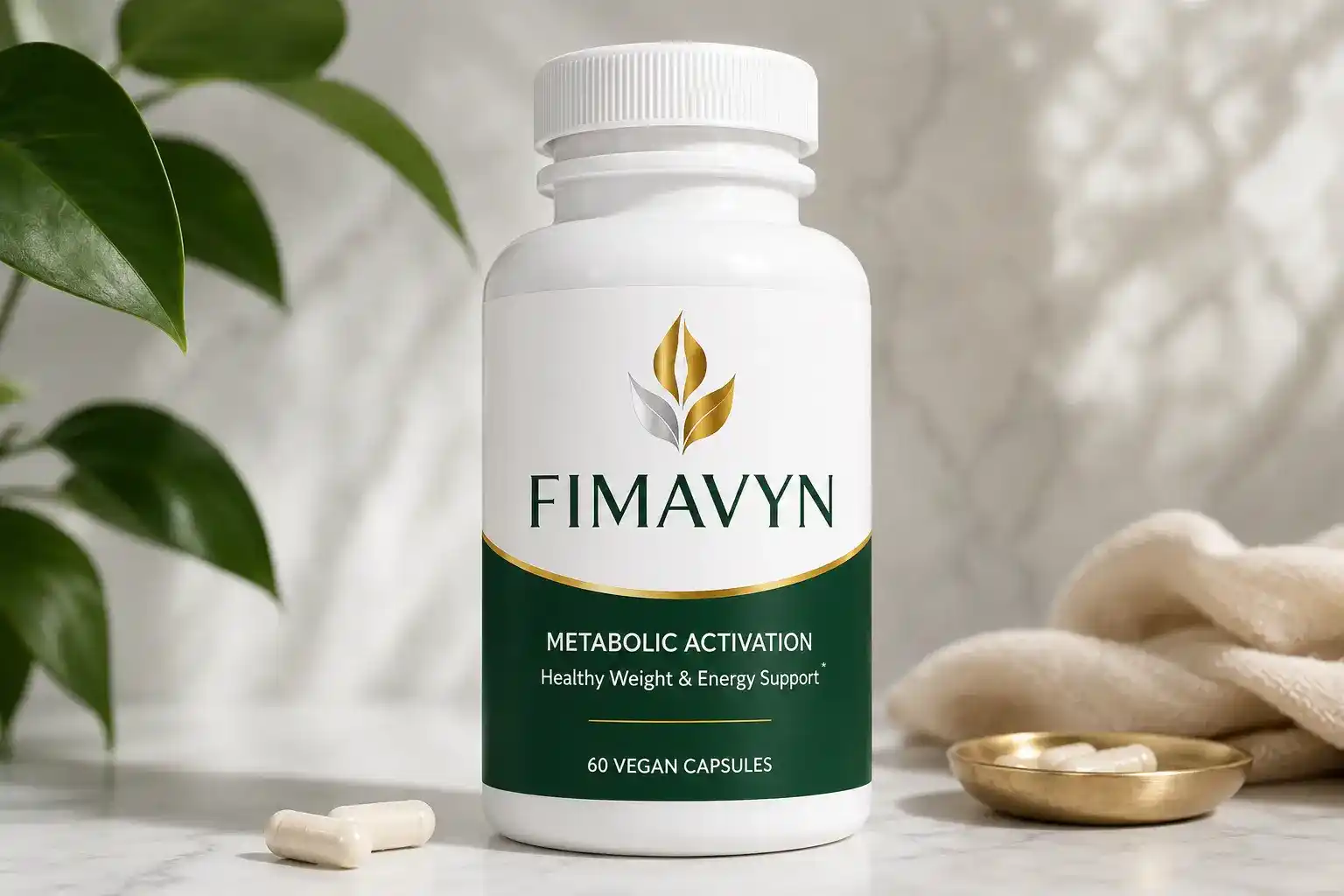
Fimavyn's 10 active ingredients per 2-capsule serving: Zinc 11mg (individually listed), Chromium (as Chromium Picolinate) 100mcg (individually listed), Alpha Lipoic Acid 150mg (individually listed), Green Tea Leaf Extract 150mg (individually listed), Berberine HCl 100mg (individually listed), Resveratrol (200:1 extract) 40mg (individually listed), plus a 112mg Proprietary Botanical Blend containing Milk Thistle extract (silymarin), Cayenne Pepper (Capsicum annuum, confirmed on official label), Asian Ginseng root extract and Banaba Leaf extract (corosolic acid). Delivered in a vegan plant-based capsule. 30 servings per bottle (60 capsules). Full formula science at Fimavyn Science.
Fimavyn's six primary active ingredients — Zinc, Chromium, Alpha Lipoic Acid, Green Tea Extract, Berberine HCl and Resveratrol — are individually disclosed with their exact amounts on the Supplement Facts panel, which is the transparency core of the formula. The 112mg proprietary blend containing Milk Thistle, Cayenne, Asian Ginseng and Banaba Leaf protects the specific compound ratios within the botanical blend from direct formula replication while still disclosing all four components by name. The 112mg total blend weight is publicly declared. All four blend components are individually named and their evidence profiles are fully documented on this page. The official Fimavyn label confirms Capsicum annuum's inclusion specifically — demonstrating ingredient-level transparency within the blend structure.
Fimavyn contains Berberine HCl, Chromium Picolinate and Banaba Leaf — all three of which support glucose metabolism and can interact additively with blood sugar medications including metformin, insulin and sulfonylureas. Anyone taking glucose-regulating medications must consult a healthcare provider before using Fimavyn. The NIH ODS Chromium health professional fact sheet documents chromium's interaction potential with insulin-sensitizing medications. Fimavyn is a dietary supplement not intended to diagnose, treat, cure or prevent any disease. Individual results vary.
Every Fimavyn Ingredient Scientifically Documented. Trial Guaranteed.
Three metabolic pathways. 10 transparent compounds. Full PubMed and NIH evidence. 60-day money-back guarantee on every order.