Fimavyn Science — How the Metabolic Activation Protocol Works in 60 Vegan Capsules
The complete scientific rationale for Fimavyn's three-pathway 10-ingredient architecture. Why concurrent multi-pathway formulas outperform single-compound supplements, how each mechanism integrates, and what the transparent Supplement Facts panel tells you before you buy. Full compound profiles at the Fimavyn Ingredients page.
Fimavyn Addresses Three Metabolic Failures Not One
People experiencing metabolic fatigue, stubborn weight and appetite inconsistency typically have three simultaneous biological failures. Cellular energy production is impaired — AMPK is under-activated, mitochondrial oxidative stress limits ATP yield, SIRT1 gene expression is suppressed. Thermogenic fat utilization is insufficient — the norepinephrine-mediated fat metabolism pathway lacks COMT-inhibition support and brown adipose tissue thermogenesis is not activated. Glucose-insulin sensitivity is compromised — insulin receptor signaling is inadequately amplified, GLUT4 transport is under-recruited, post-meal glucose clearance is slow.
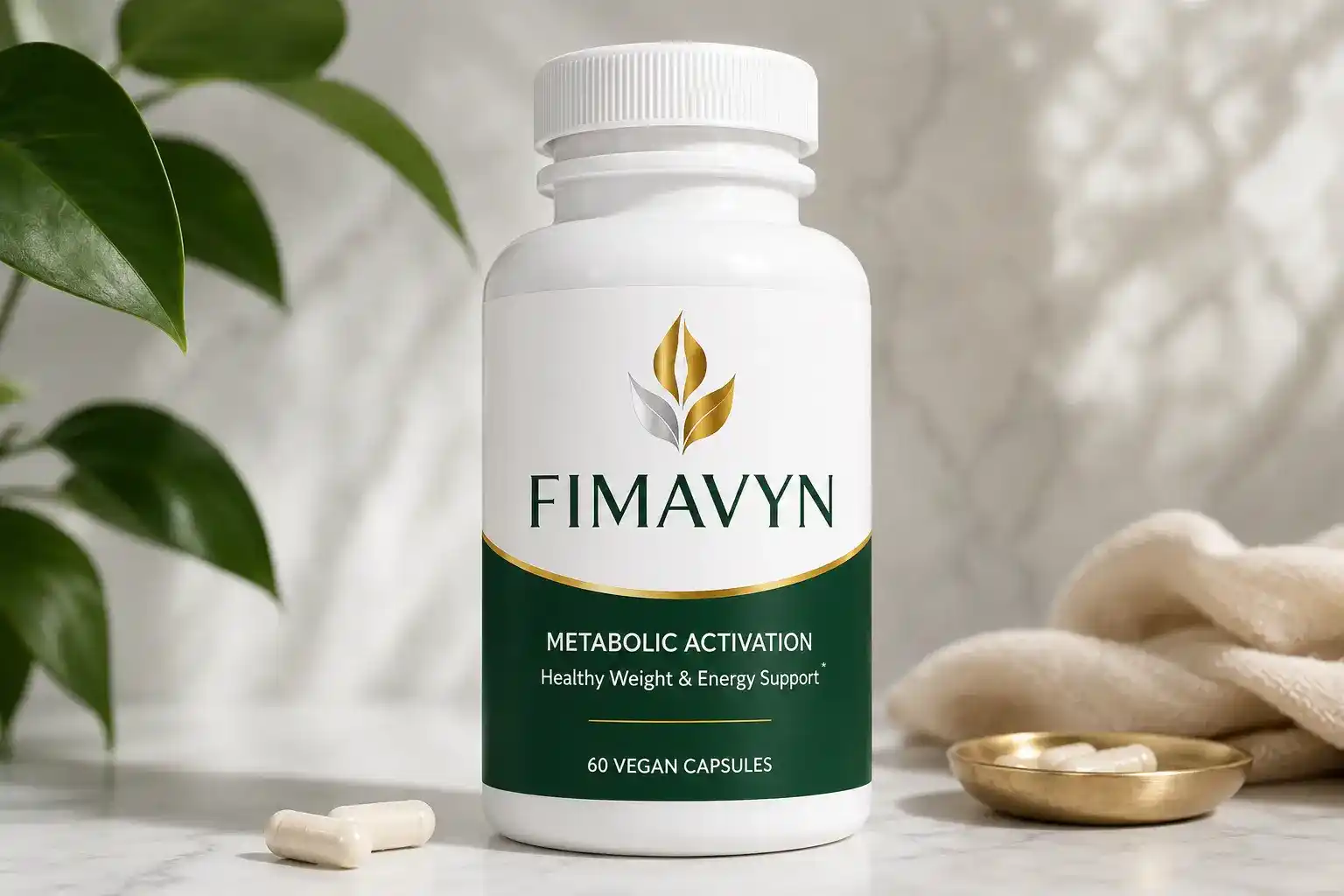
The formula design directly addresses all three concurrently. Pathway 1 (Berberine, Alpha Lipoic Acid, Resveratrol, Zinc) restores cellular energy production. Pathway 2 (Green Tea EGCG, Cayenne) activates non-stimulant thermogenesis. Pathway 3 (Chromium, Banaba Leaf, Asian Ginseng) supports glucose-insulin sensitivity. See all 10 compound profiles and verified Fimavyn results. Research: PubMed multi-pathway metabolic.
AMPK · Mitochondria · SIRT1 —
Cellular Energy Restored
Berberine activates AMPK — the master cellular energy sensor — increasing glucose uptake, stimulating fatty acid oxidation, inhibiting fat storage and promoting mitochondrial biogenesis simultaneously. PubMed.
Alpha Lipoic Acid is both water and fat soluble — uniquely able to regenerate glutathione, vitamin C and vitamin E inside mitochondrial membranes. Reduces oxidative damage that impairs ATP synthase efficiency and limits cellular energy yield per glucose molecule.
Trans-Resveratrol activates SIRT1 deacetylase, regulating PGC-1α — the master transcription factor controlling mitochondrial biogenesis and energy metabolism gene expression. 200:1 extract delivers maximum trans-resveratrol potency per capsule. PubMed.
Zinc provides cofactor support for 300+ metabolic enzymes: insulin synthesis, thyroid T3/T4 hormone conversion and antioxidant superoxide dismutase (SOD) activity — the enzymatic infrastructure all three pathways depend on. NIH ODS.
Green Tea EGCG + Cayenne —
Non-Stimulant Thermogenesis
Fimavyn's thermogenic pathway uses two non-stimulant mechanisms producing genuine caloric thermogenesis without adenosine receptor blockade — no jitter, no rebound fatigue, no tolerance buildup.
Green Tea EGCG (150mg): Inhibits COMT enzyme, extending norepinephrine activity at beta-adrenergic receptors in adipose tissue and sustaining thermogenesis beyond baseline sympathetic output. Multiple published RCTs document 24-hour energy expenditure increases. NIH NCCIH: Green Tea review.
Cayenne Pepper (112mg blend): Capsaicin activates TRPV1 channels, triggering beta-3 adrenergic receptor activation in brown adipose tissue and UCP1 uncoupling protein thermogenesis — real caloric heat from fat via mitochondrial uncoupling. Non-tolerance-building. PubMed.
All 10 Fimavyn Ingredient Profiles →FIMAVYN VS STIMULANT THERMOGENICS
Chromium · Banaba Leaf · Ginseng —
Three-Level Glucose Support
Each of Fimavyn's glucose-support compounds acts at a biochemically distinct point in the glucose metabolism pathway.
Chromium Picolinate
Activates chromodulin to amplify insulin receptor tyrosine kinase — increasing GLUT4 glucose transporter recruitment to the cell membrane. NIH ODS documented mechanism. NIH ODS.
Banaba Leaf Corosolic Acid
Activates GLUT4 glucose transporters independently of insulin signaling — supporting post-meal glucose clearance even under partial insulin resistance. PubMed.
Asian Ginseng Ginsenosides
Ginsenosides Rb1 and Rg1 activate AMPK in skeletal muscle independently of Berberine's pathway — enabling glucose uptake through a distinct receptor-binding route. NIH NCCIH.
Fimavyn Science — Formula Questions Answered
Modern metabolic challenges arise from three simultaneous biological failures. Cellular energy impairment (low AMPK, mitochondrial oxidative stress, suppressed SIRT1), thermogenic insufficiency (insufficient COMT inhibition and brown adipose activation), and glucose-insulin sensitivity compromise (inadequate insulin receptor amplification and GLUT4 support) all contribute to the same metabolic outcome through distinct mechanisms. A single-ingredient formula that addresses one while the other two continue causing disruption produces limited results. Fimavyn's three-pathway concurrent design addresses all three simultaneously — each of its 10 ingredients serves a distinct mechanism not covered by other formula members. Full profiles at Fimavyn Ingredients.
Caffeine-based metabolic supplements block adenosine receptors — masking fatigue signals and producing perceived energy, but not addressing the underlying metabolic cause of energy crashes. When caffeine clears, the crash resumes — often amplified by adenosine rebound. Fimavyn's thermogenic pathway uses COMT inhibition (Green Tea EGCG extending norepinephrine thermogenesis) and TRPV1 activation (Cayenne Pepper triggering brown adipose UCP1 thermogenesis) — genuine caloric heat production from fat oxidation through non-adenosine mechanisms. Neither builds tolerance the way caffeine receptor blockade does. NIH NCCIH: Green Tea review.
Whole Polygonum cuspidatum or grape skin contains trans-resveratrol (biologically active), cis-resveratrol and other stilbenoids in varying ratios. A 200:1 extract concentrates trans-resveratrol 200-fold relative to the raw plant — delivering maximum SIRT1-activating polyphenol density at Fimavyn's 40mg stated dose without requiring a larger capsule. This is the basis for the "200:1 ratio confirmed" notation on the official Fimavyn label. The SIRT1 activation pathway for trans-resveratrol is documented at PubMed.
FIMAVYN SCIENCE — RESEARCH REFERENCES
- PubMed — Berberine AMPK activation and mitochondrial biogenesis
- PubMed — Resveratrol SIRT1/PGC-1alpha pathway
- PubMed — Green Tea EGCG COMT thermogenesis RCTs
- PubMed — Cayenne TRPV1 UCP1 thermogenesis
- NIH ODS — Chromium insulin receptor signaling
- PubMed — Banaba Leaf corosolic acid GLUT4
- NIH NCCIH — Asian Ginseng ginsenoside AMPK
- NIH ODS — Zinc enzymatic cofactor roles
Read All 10 Fimavyn Ingredient Profiles or Start Your Trial
Complete biochemical evidence for each Fimavyn compound — or begin your 60-day risk-free Metabolic Activation trial today.